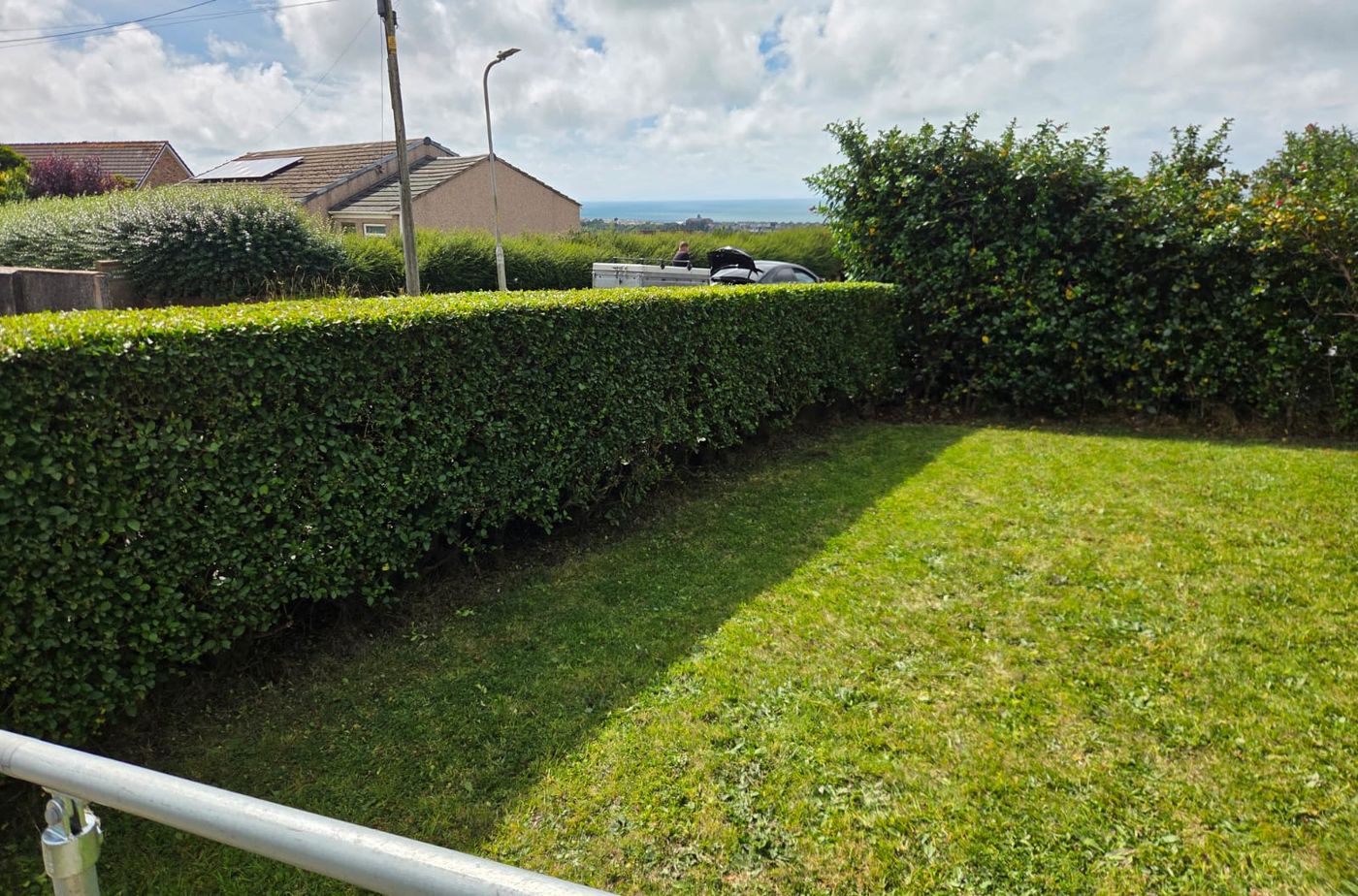
When is the best time to cut a hedge?
For most garden hedges, late summer once the nesting season is over, with a lighter tidy in late spring if it is a fast grower. Beech and hornbeam take a single late-summer cut well. Conifer and privet want two a year if you want them to stay sharp. What matters more than the exact month is not leaving it so long that you are cutting back into old wood.
Can you cut back a hedge that has got completely out of hand?
Usually, and often over two visits rather than one. Deciduous hedges like beech, hawthorn and privet will take a hard cut and come back from old wood. Leylandii and most conifers will not: cut into the brown and it stays brown. So on an overgrown conifer the honest plan is to take the height down, then bring the sides in over a couple of seasons, and we will tell you if it has gone too far to save.
Do you take the clippings away?
Yes, and it is in the price rather than an extra. Clippings get raked out of the borders and off the lawn, bagged and taken off site. A big reduction generates a surprising amount of waste, so on a large hedge we will mention it at the quote rather than turning up with nowhere to put it.
How high can you cut?
Anything reachable safely off the ground or a platform, which covers the great majority of garden hedges. Very tall conifer or anything needing climbing gear or work near overhead cables is a different trade and we will say so rather than have a go at it.
Can you come back regularly?
Yes, and it is the cheapest way to keep a hedge right. Once or twice a year on the same visit as the grass keeps it in shape and stops it turning into the big reduction job that costs several times as much. Plenty of our garden work is exactly this, the same gardens on a regular round through the season.